
Not all real estate is in the dumps.
 Housing data due this week aren’t likely to be encouraging. Figures Monday are expected to show sales of existing homes fell nearly 4% in February from January. On Tuesday, the government’s index of home prices is forecast to register its seventh drop in eight months. And on Wednesday, economists anticipate new home sales in February will post a monthly increase of about 2% monthly increase, which will do little to dent January’s nearly 13% decline.
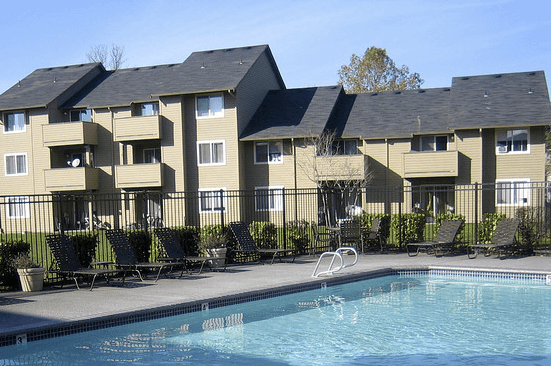
Partly because of this, the rental market is heating up. Average U.S. apartment vacancy rates dropped to 6.6% last year from 8%, according to property-research firm Reis, while rents rose 2.3%. This has developers salivating over the potential for a multiyear rental boom. After all, the glut of foreclosed, single-family homes so far isn’t proving much competition. Occupied apartments rose by about 58,000 in the fourth quarter, the biggest increase for that period in 10 years, according to Reis.
Average U.S. apartment vacancy rates dropped to 6.6% last year from 8%, according to property-research firm Reis, while rents rose 2.3%.
It is “very good to be in the apartment business today,” David Neithercut, chief executive of Equity Residential, the biggest public U.S. real-estate investment trust, remarked at a recent conference. Population growth, a gradual firming of the labor market and a drop in the U.S. homeownership rate to 65% from its near-70% peak could generate about 4.5 million new renter households over the next five years, according to Greenstreet Advisors.
That level of demand “will far outstrip supply” through 2015, Greenstreet reckons, given the relatively low level of multifamily homebuilding in recent years. No wonder developers are itching to get in on the action. A multifamily production index from the National Association of Home Builders to track developer sentiment jumped to 40.8 in the fourth quarter, its highest reading since 2006.
It’s not all wine and roses, though. Because real-estate construction is a relatively small part of the U.S. economy now and the single-family market remains depressed, the rental boom isn’t likely to boost overall economic growth. And increased rental activity may increase inflation. Shelter accounts for nearly a third of the consumer-price index.
The even bigger risk would be if the collapse of the single-family housing bubble led to the creation of one in rental properties.
Original Article: Here